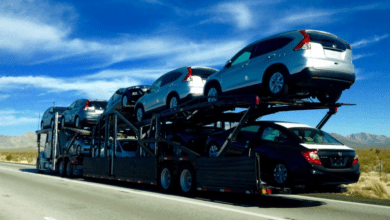
Buying your first car is a huge milestone. You’ve put your years of savings into buying a vehicle, bringing comfort and convenience to your life. It is only wise that you take the appropriate precautions to protect yourself and your car from damage.
This is where auto insurance comes in! Let’s take a closer look at what auto insurance is, how it works, types of coverage, and how you can choose the right provider.
Table of Contents
How Does Auto Insurance Work?
Auto insurance is a contract between a driver and an insurer that provides financial protection from the consequences of an unanticipated event. This could be a road accident, theft, natural disaster, or any other form of damage.
The policyholder (car owner) pays a premium in exchange for coverage, which helps pay for repairs, medical bills, or damages if an accident occurs. The key reason to sign up for an auto insurance policy is to protect yourself from unnecessary financial burden. By paying premiums, you transfer financial risk or loss to the insurer.
The Cost of an Auto Insurance Policy
Auto insurance policies are individually priced to fit your needs and budget, typically for 6 or 12 months. Your insurer will typically remind you when it’s time to renew the policy. The premium can vary depending on the level of coverage you’ve opted for.
You can get auto insurance quotes from multiple providers to compare. Consider the total value of your vehicle and your usage habits to choose the best option.
Types of Coverage
The following can be covered under an auto insurance policy:
Liability coverage
If you hit another driver or pedestrian with your car, your auto insurance policy would pay for injuries and damages. This typically includes bodily injury liability and property damage liability. Remember that the coverage amount will be based on your policy limit.
Collision coverage
If you collide with another vehicle or object (such as a tree or fence), this coverage helps repair or replace your car, minus your deductible.
Roadside assistance
Roadside emergencies are incredibly common. Your car could break down in the middle of the highway. In such situations, your auto insurance provider would assist. They can dispatch tow trucks or technicians. Services are often prepaid, meaning you won’t pay out-of-pocket for services within your policy limits
Comprehensive coverage
This pays for damage to your car not caused by a collision, such as theft, vandalism, fire, hail, or animal strikes.
Uninsured motorist coverage
If you’re hit by a driver who has no insurance or insufficient insurance, your auto insurance provider would pay for vehicle damage as well as bodily harm.
Understanding Auto Insurance: Example
Let’s say you’re driving home from work and you hit a stop sign. Your collision coverage pays for your car repair. Similarly, if you’re at fault in a rear-end accident, your insurance pays for the other driver’s medical bills and car repairs.
Auto insurance is like a safety net that protects you from unexpected expenses and ensures peace of mind.