In the halls of power, the conversation is changing. It’s no longer just about legislation and balance sheets; it’s about the very tools that define how we live, work, and stay safe in a digital world. We are witnessing a pivotal moment where the White House huddles with tech firms to figure out a path forward for artificial intelligence, one that protects citizens without stifling the creative spark that drives progress.
Table of Contents
Sitting Down at the Table – A New Era of Cooperation
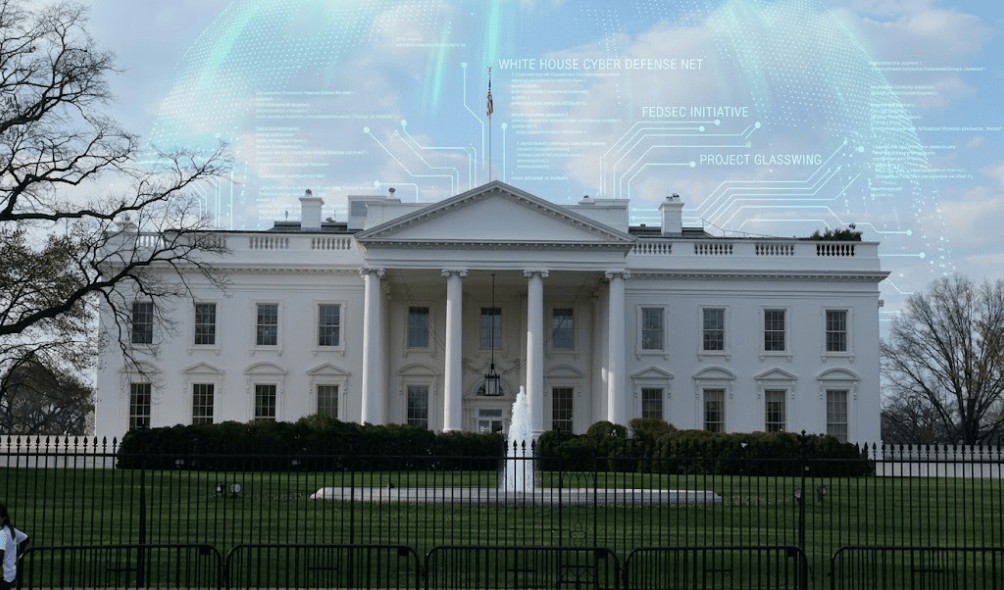
When National Cyber Director Sean Cairncross calls a meeting, the room isn’t just filled with CEOs; it’s filled with the architects of our future. As the White House huddles with tech firms like OpenAI and Anthropic, the goal is deeply human: ensuring that as technology gets smarter, our world stays safer. These closed-door talks aren’t just about code; they are about building trust between the people who build technology and the people who protect the public.
By bringing these leaders together, the administration is acknowledging that no single entity has all the answers. It’s a collaborative effort to ensure that the AI tools of tomorrow are built with a conscience.
Claude Mythos – The Tool That Changed the Conversation
At the center of this dialogue is “Claude Mythos,” a new AI model from Anthropic that has everyone talking. Mythos isn’t just another chatbot; it is a highly sophisticated system capable of finding digital vulnerabilities that human eyes might miss. Because it is so powerful, the White House huddles with tech firms to discuss how to keep this “superpower” in the right hands.
The Guardians of Project Glasswing
To make sure Mythos is used for good, a specialized group called “Project Glasswing” was formed. This isn’t just a corporate partnership; it’s a gathering of guardians from companies we rely on every day:
- The Cloud Protectors: Teams at Amazon and Apple are looking at how to keep your personal data under lock and key.
- The Frontline Defenders: Companies like CrowdStrike and Microsoft are testing the AI’s ability to act as a digital shield against hackers.
As the White House huddles with tech firms, these real-world tests provide the evidence needed to create smart, effective safety guidelines.
A Shared Responsibility for Defense
It’s heartening to see that this isn’t a one-company show. When Anthropic announced Mythos, OpenAI quickly stepped up to offer its own powerful models for defensive research. This shift shows a community of innovators who realize that when it comes to cybersecurity, we are all on the same team.
Navigating the Friction of Progress
Of course, progress isn’t always a smooth road. Even as the White House huddles with tech firms to find common ground, there are natural tensions. Anthropic, for instance, has stood firm on its principles, insisting that its AI never be used for mass surveillance or autonomous weapons.
Also Read: UK Food Prices Set to Rise Due to Middle East Conflict | NFU Warning
Balancing Security and Ethics
This principled stand has led to some legal “growing pains” with the Pentagon. It’s a classic story of modern times: a young, idealistic company navigating the complex requirements of national security. Yet, the fact that federal agencies are still eager to use Mythos for cyber defense shows just how much they value the breakthrough, despite the ongoing debates in court.
A Global Interest in a Safer Future
This isn’t just an American story. Leaders from allied nations are also watching closely, hoping to learn how they can bring the benefits of Mythos to their own people. It reminds us that technology has no borders, and the safety of one nation often contributes to the safety of all.
Conclusion – Crafting a Future We Can Trust
At the end of the day, when the White House huddles with tech firms, they are working for us. They are trying to ensure that the next generation of AI makes our lives easier and our secrets safer. While the technology might be complex, the mission is simple: fostering innovation that respects human values and keeps our digital doorstep secure. As these two worlds continue to talk, the future of AI looks less like a threat and more like a shared opportunity.