The political message voters delivered across much of the Western world in recent years was loud and clear: if governments fail to improve everyday life, they can expect to be shown the door.
That frustration helped bring down long-serving governments, reshaped election results, and fueled demands for political change. Yet new polling suggests that public anger has not faded. Instead, many voters remain deeply skeptical of the politicians they elected to fix the problems they were unhappy about in the first place.
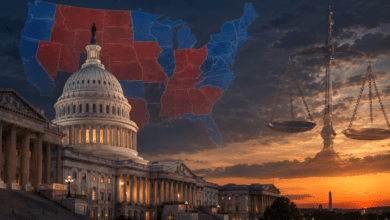
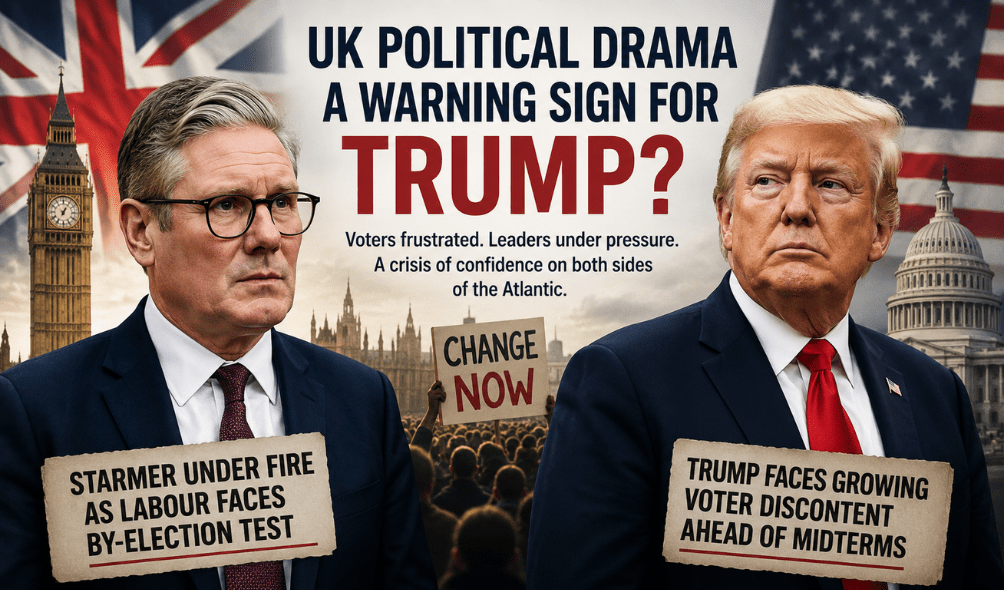
The growing mood of dissatisfaction is creating fresh challenges for leaders on both sides of the Atlantic. In the United Kingdom, Prime Minister Keir Starmer is facing mounting political pressure less than two years after securing a decisive election victory. In the United States, President Donald Trump is confronting signs that some voters are becoming increasingly uneasy about the direction of the country ahead of the 2026 midterm elections.
Table of Contents
Voters Are Losing Patience With Political Leaders
For years, politicians have promised solutions to rising living costs, immigration concerns, housing shortages, and strained public services. Many voters now feel those promises have not translated into meaningful change.
Recent polling highlights a growing sense of distrust toward political leaders. Large numbers of people in both Britain and America believe politicians are more interested in protecting their own interests than addressing the concerns of ordinary citizens. Rather than blaming political systems or institutions, many voters are directing their frustration squarely at elected officials.
A Crisis of Confidence in Politics
The latest findings point to a deeper problem than simple disagreement over policies. Many voters increasingly believe that politicians say the right things during campaigns but struggle to deliver results once they are in office. Others feel disconnected from decision-making and doubt that public opinion has much influence on government actions.
This sense of disillusionment is becoming a defining feature of modern politics and is helping fuel instability across several democracies.
Anti-Incumbent Sentiment Continues to Shape Elections
The political turbulence witnessed in recent years has not been confined to a single country. Across Europe and North America, voters have repeatedly turned against governments they believe have failed to improve economic conditions or respond effectively to public concerns. Long-established parties have suffered setbacks, while outsider movements and populist candidates have gained momentum.
What makes the trend particularly striking is that it affects leaders from different political backgrounds. Conservative, liberal, and center-left governments have all found themselves facing voter backlash.
Economic Concerns Remain at the Heart of Voter Anger
Although political issues vary from country to country, economic pressures remain a common source of frustration. Many households continue to grapple with the cost of groceries, housing expenses, utility bills, and healthcare costs. For voters, these challenges are often more important than broader political debates.
As a result, governments are increasingly judged by whether people feel financially better off than they did before.
Keir Starmer Faces Growing Political Pressure
The changing political mood is becoming increasingly visible in Britain. After leading Labour to a landslide victory, Starmer entered office with high expectations and a promise to restore stability. However, recent polls indicate that many voters are losing confidence in his leadership.
Concerns about the economy, immigration, public safety, and the government’s overall performance have contributed to declining approval ratings and growing uncertainty about Labour’s political future.
Why the Makerfield By-Election Matters
Attention is now focused on the upcoming Makerfield by-election, which could have consequences far beyond a single parliamentary seat. Greater Manchester Mayor Andy Burnham is widely seen as one of Labour’s most influential figures and a potential alternative leader within the party. His political future is being closely watched as speculation grows about Labour’s direction in the years ahead.
At the same time, the continued rise of Reform UK reflects a broader trend seen across Europe, where voters frustrated with traditional political parties are increasingly willing to support alternative movements. Whatever the result, the contest is expected to intensify debate about Labour’s leadership and its ability to reconnect with voters.
Why Republicans Are Watching the UK Closely
Political developments in Britain may seem distant from Washington, but some analysts believe they offer an important lesson for Republicans. The same forces that can quickly turn voters against one government can just as easily affect another. Leaders who come to power promising change often discover that public patience is limited.
For Trump and his party, that reality could become increasingly important as the midterm elections draw closer.
Economic Anxiety Could Become a Political Risk
Trump’s return to office was driven in large part by voter concerns about inflation, affordability, and economic management. However, polling suggests that some Americans now feel their financial situation has not improved as much as they expected. Others believe the government should place greater emphasis on domestic challenges affecting everyday life.
These concerns do not necessarily indicate a dramatic shift in voter loyalties, but they highlight the challenges facing any administration trying to maintain public support in a difficult economic environment.
The Rise of Political Cynicism
One of the most significant findings from recent polling is the growing number of voters who describe themselves, either directly or indirectly, as cynical about politics. These individuals often believe politicians are disconnected from ordinary people, motivated by self-interest, and unable to deliver meaningful change.
The trend matters because cynical voters are often among the most difficult groups for governments to win over.
Why Cynical Voters Are Becoming More Influential
In previous decades, voters might have been willing to give governments several years to deliver on campaign promises. Today, many appear far less patient.
Social media, constant news coverage, and heightened political polarization have accelerated public reactions to government decisions. As expectations rise, political goodwill can disappear quickly.
This creates a difficult balancing act for leaders who must not only win elections but also convince voters that real progress is being made.
A Political Climate Defined by Constant Demand for Change
The latest polling suggests that the appetite for political change remains strong in both Britain and the United States. For Starmer, the challenge is convincing voters that his government can still deliver the improvements they expected when Labour returned to power. For Trump, the challenge is preventing economic concerns and voter frustration from undermining Republican prospects in the upcoming midterms.
The broader lesson is clear: in today’s political environment, winning an election is often only the beginning of the challenge. Voters who demand change are willing to reward leaders who deliver results. But increasingly, they are just as willing to move on from those who fail to meet expectations. In an era marked by political skepticism and economic uncertainty, governments have less time than ever to prove they can make a difference.
Also Read: Nancy Mace Loses South Carolina GOP Governor Primary as Trump-Backed Pamela Evette Advances