

Population size rarely predicts sporting culture. Iceland reaches football World Cups, Slovenia produces NBA stars, and Luxembourg fields competitive cyclists year after year. The pattern is consistent enough to deserve a closer look, because what small nations lack in numbers they compensate for through structure, proximity, and shared identity.
Table of Contents
Proximity Builds Density
In a country of a few hundred thousand people, a promising junior athlete is rarely more than an hour from the national federation, the top coach, and the best training facility. That geographic compression removes friction. A talented 14-year-old handball player in Slovenia can train with a former Olympian on Tuesday and play a competitive league match on Saturday without leaving her region.
Large countries fragment talent across regional systems that rarely communicate. Small ones concentrate it. The result is a denser feedback loop between grassroots participation, club coaching, and national team selection.
Shared Identity Fuels Participation
Sport in small nations functions as public culture rather than niche entertainment. When a team represents a country of 600,000 people, the connection between supporters in the stands and players on the pitch is unusually direct. Many fans have met the athletes personally, attended the same schools, or shared family connections.
This closeness produces participation rates that dwarf those of larger countries. In Iceland, roughly one in ten residents holds a formal club membership. In Luxembourg, fans can turn to resources such as sportwettenluxemburg.lu to follow local leagues, regional derbies, and betting markets linked to cross-border rivalries with Belgium and France. This sustained interest helps keep domestic clubs visible and active throughout the year.
Institutional Focus Over Institutional Sprawl
Smaller federations have to choose their battles. They cannot fund elite pathways in twenty sports, so they typically invest deeply in three or four. That focus produces genuine expertise.
Several countries demonstrate how concentrating resources on selected disciplines creates lasting competitive advantages:
- Norway has concentrated on winter sports and cross-country skiing science for decades.
- Denmark has built badminton and cycling infrastructure that punches far above its weight.
- Croatia channels resources into football, handball, water polo, and tennis rather than spreading them too thinly.
Coaches in these systems accumulate specialist knowledge that passes down through generations of athletes. A young Danish cyclist inherits methods refined over forty years by a small circle of national coaches who know one another by name.
Media Coverage That Actually Follows Athletes
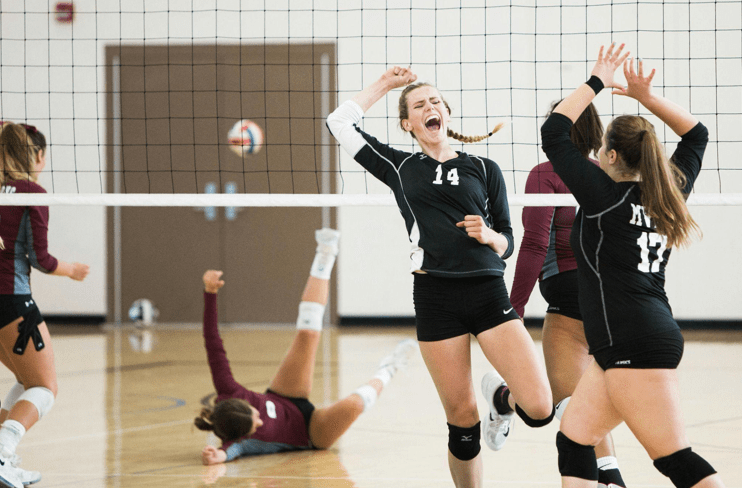

National broadcasters in small countries have fewer sports to cover, which means individual athletes receive sustained media attention from junior level onward. A 17-year-old prospect gets interviewed by the main evening news. Sponsorship deals arrive earlier. Public support carries athletes through the difficult transition years between promising junior and established senior competitor.
In larger markets, that same 17-year-old competes for oxygen with thousands of peers and rarely surfaces until she has already broken through internationally, by which point many talents have already quit.
What Larger Nations Can Borrow
The lessons travel. Regional academies that mimic small-country density, federations that concentrate resources rather than diluting them, and media that follows athletes from age 15 rather than 25 are all replicable ideas. Some German states and French departments have experimented with exactly this model, treating a region of two million as a functional small nation with its own pathway.
A Note on Fandom and Balance
Following a small nation’s sports scene tends to be a lifetime engagement rather than a passing hobby. Whether readers track results, analyse form, or place occasional wagers on local leagues, the recommendation remains straightforward: treat sport as entertainment, set a budget in advance, and enjoy the sense of community that comes with cheering for a team you might actually meet in the street the following week.
-

-
-

-

