Diseases Caused By Contaminated Food: Symptoms And Risks Explained
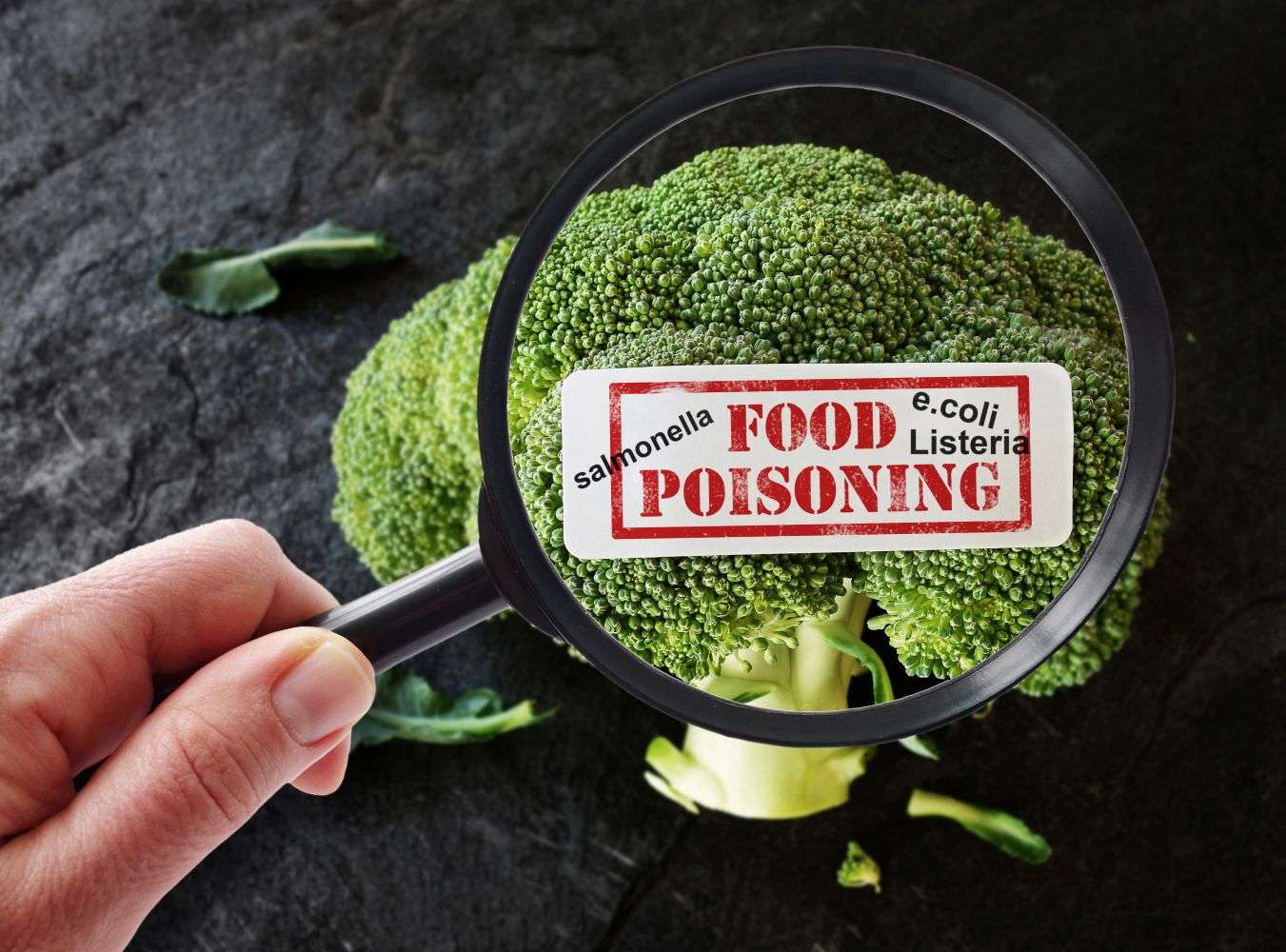
Food is a fundamental source of sustenance and pleasure. However, when contaminated with harmful pathogens, chemicals, or toxins, it can become a vehicle for several illnesses. These diseases, often collectively referred to as foodborne illnesses, represent a significant public health burden worldwide. Understanding the specific pathogens, their associated symptoms, and the potential long-term health risks is crucial for both prevention and seeking appropriate medical care. Contamination can occur at any point in the food supply chain, from production and processing to preparation and storage in the home, making awareness a key defense.
Here are the symptoms and risks associated with diseases caused by contaminated food:
Table of Contents
Common Pathogens and Their Clinical Presentations
A diverse array of microorganisms is responsible for foodborne diseases, each with a distinct incubation period and symptom profile. Recognizing these differences can aid in identifying the potential source and determining the necessary course of legal action for food poisoning.
Below are some common pathogens and their clinical presentations:
Salmonella Bacteria
These are frequently linked to raw or undercooked eggs, poultry, meat, unpasteurized milk, and even fresh produce. Symptoms typically emerge within 12 to 72 hours after consumption and include acute diarrhea, fever, abdominal cramps, and vomiting. The illness, known as salmonellosis, usually lasts between four to seven days, and most individuals recover without specific treatment. However, the dehydration it causes can be severe enough to require hospitalization.
Listeria Monocytogenes
Listeria poses a particular threat because it can grow even at refrigerator temperatures, unlike many other bacteria. It’s commonly found in ready-to-eat foods like deli meats, hot dogs, unpasteurized dairy products, and smoked seafood. For healthy individuals, Listeria infection (listeriosis) may cause only mild, flu-like symptoms. However, for pregnant women, it can lead to miscarriage, stillbirth, premature delivery, or life-threatening infection of the newborn.
Escherichia coli (E. coli)
While most strains of E. coli are harmless, certain strains, such as Shiga toxin-producing E. coli (STEC) or E. coli O157:H7, can result in severe disease. This pathogen is typically associated with raw milk, contaminated water, undercooked ground beef, and fresh produce like spinach and lettuce. The symptoms are often severe and include bloody diarrhea and intense abdominal cramps. A potentially life-threatening complication known as Hemolytic Uremic Syndrome (HUS) can develop, particularly in young children. HUS destroys red blood cells and can lead to acute kidney failure, necessitating intensive medical care.
Campylobacter
This is one of the most common causes of diarrheal illness in the United States, often associated with the consumption of raw or undercooked poultry, unpasteurized milk, and contaminated water. Symptoms, which include diarrhea (often bloody), cramping, abdominal pain, and fever, usually appear within two to five days after exposure. While the illness typically resolves its own, a rare but serious complication called Guillain-Barré syndrome can occur weeks later.
Norovirus
Often inaccurately referred to as the “stomach flu,” norovirus is an extremely contagious virus that causes acute gastroenteritis. It spreads rapidly through contaminated food or water, or by touching contaminated surfaces. Some common symptoms include sudden onset of nausea, projectile vomiting, diarrhea, and stomach pain. The illness is usually self-limiting, but the profound vomiting and diarrhea can lead to dehydration, which is the primary concern, especially for the very young and elderly.
Long-Term Health Risks and Vulnerable Populations

The implications of foodborne disease extend far beyond the initial acute illness. For some, the infection can be the catalyst for long-term, debilitating health issues. Conditions such as post-infectious irritable bowel syndrome (IBS) can develop, leading to chronic abdominal pain, bloating, and altered bowel habits. As previously mentioned, certain bacterial infections are known to trigger autoimmune complications like reactive arthritis and Guillain-Barré syndrome.
The level of risk isn’t uniform across the population. Certain groups are disproportionately affected by severe outcomes from foodborne pathogens. Their immune systems are less equipped to fight off infections, leading to more severe illness, prolonged recovery, and a higher likelihood of hospitalization or death.
Furthermore, certain populations can face significantly higher risks from foodborne illnesses due to physiological vulnerabilities. Pregnancy can induce immunological changes that heighten susceptibility to pathogens like Listeria, posing grave threats to fetal development. Young children have immature immune systems and low body mass, which increases their risk of dehydration. Aging naturally diminishes immune function, while comorbidities in older adults and immunocompromised individuals, such as those with cancer or diabetes, severely complicate recovery.
Prevention: A Multi-Layered Approach
Preventing foodborne illness requires a proactive approach at every stage, from the grocery store to the kitchen table. Adhering to safe food handling practices is the most effective defense. For instance, thorough cooking with a food thermometer is essential to destroy pathogens, while proper handwashing for at least 20 seconds eliminates germs transferred from hands.
Avoiding cross-contamination by using separate cutting boards and cleaning surfaces can help prevent the spread of bacteria. Lastly, safe storage at or below 40°F (4°C) inhibits bacterial growth, and recognizing high-risk foods is crucial for protecting vulnerable individuals.
Key Takeaway
Diseases caused by contaminated food are a significant health concern with potential consequences that range from a few days of discomfort to permanent disability. A clear understanding of the major pathogens, their symptoms, and the serious risks they pose, especially to vulnerable groups, underscores the critical importance of rigorous food safety practices. Public awareness and individual vigilance in the kitchen remain the cornerstone of preventing these preventable illnesses.