Iran-US Nuclear Talks Hit Fresh Roadblocks as Tehran Says Deal Is Still Far Away
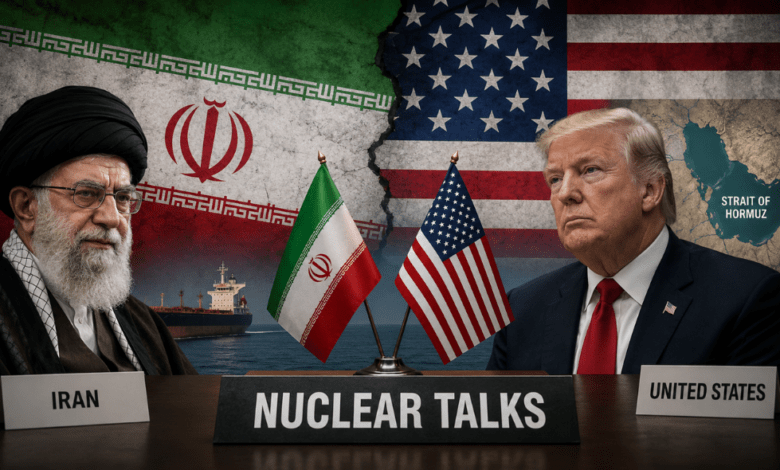
Iran-US Nuclear Talks: Hopes for a breakthrough between Iran and the United States have once again been tempered after Tehran made it clear that a final agreement is still far from guaranteed.
Although officials on both sides admit that progress has been made in recent negotiations, deep mistrust, political pressure, military tensions and regional disagreements continue to stand in the way of a lasting deal.
At the centre of the discussions are several sensitive issues — Iran’s nuclear programme, sanctions relief, access to frozen Iranian assets and the future security of the Strait of Hormuz, one of the world’s most important oil shipping routes.
While Washington continues to speak optimistically about diplomacy, Iran says the situation is far more complicated behind closed doors.
Table of Contents
Iran Says Negotiations Have Progressed — But No Deal Is Near
Speaking during a weekly press briefing, Iranian foreign ministry spokesperson Esmail Baghaei acknowledged that negotiators had managed to resolve parts of the ongoing discussions.
However, he strongly rejected suggestions that an agreement could be signed any time soon.
According to Iranian officials, too many major disagreements still remain unresolved for anyone to confidently speak about an imminent breakthrough.
Tehran believes the negotiations have become increasingly difficult because of mixed signals coming from Washington and growing outside pressure from Israel and US political groups opposed to any compromise with Iran.
Tehran Frustrated by Conflicting Messages From Washington
Iranian officials say one of the biggest problems in the negotiations is the inconsistency of American political messaging.
While some US officials continue to publicly support diplomacy, others have issued warnings and threats if talks fail. Tehran argues that these contradictions create uncertainty and weaken trust during negotiations.
Iran also believes domestic political pressure inside the United States is forcing American leaders to take a tougher public position, even while discussions continue privately.
Officials in Tehran pointed to criticism from members of Congress and sections of the Republican Party as factors complicating the process.
Israel’s Opposition Continues to Shape the Debate
Iran also accused Israel of trying to block any possible agreement.
Israeli leaders have repeatedly warned against deals they believe could leave Iran with the ability to continue aspects of its nuclear programme or expand its regional influence.
Some Israeli political figures described the emerging framework as dangerous for the region, arguing that it does not go far enough in limiting Iran’s military capabilities.
The disagreement once again highlights how closely the future of the Iran-US negotiations is tied to wider tensions across the Middle East.
US Still Hopeful That Diplomacy Can Work
Despite Iran’s cautious tone, the United States continues to insist that diplomacy remains the preferred path forward.
US Secretary of State Marco Rubio said Washington still believes a workable agreement is possible, though he admitted negotiations remain difficult and time-consuming.
American officials say discussions are focused on creating a roadmap that could reduce tensions, reopen critical shipping lanes and restart formal nuclear negotiations after months of conflict and instability.
Strait of Hormuz at the Heart of the Discussions
One of the most important parts of the proposed framework involves the Strait of Hormuz.
The narrow waterway is crucial for global energy supplies, with a large share of the world’s oil exports passing through it every day. Any disruption there quickly affects international markets and raises fears of wider regional conflict.
Reports suggest the current proposal would involve Iran helping restore safe navigation through the strait after any ceasefire agreement takes effect.
Iran would reportedly participate in removing mines and coordinating maritime security measures during a transition period lasting several weeks.
Military Tensions Continue Alongside Diplomacy
Even while diplomatic efforts continue, military activity has not completely stopped.
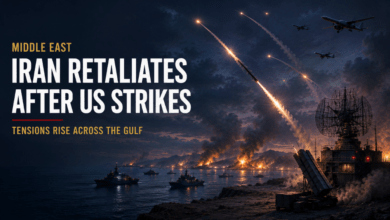
US Central Command confirmed that American forces recently carried out strikes against missile launch sites and Iranian boats allegedly involved in laying mines near key shipping routes.
The US described the strikes as defensive operations aimed at protecting military personnel and maintaining regional stability.
The developments show just how fragile the current situation remains. While diplomats continue talking, the possibility of renewed confrontation still hangs over the region.
Nuclear Disputes Remain the Biggest Challenge
The most difficult issue in the negotiations continues to be Iran’s nuclear programme.
Washington reportedly wants Tehran to significantly reduce or dispose of its stockpile of highly enriched uranium as part of any future agreement.
Iran, however, insists it will not surrender its nuclear rights or transfer its uranium stockpile abroad.
Iran Open to Temporary Limits, Not Long-Term Restrictions
Iranian officials have indicated they may consider temporary limits on uranium enrichment as part of a broader diplomatic arrangement.
However, Tehran remains unwilling to accept long-term restrictions similar to those demanded by some American officials.
Iran argues that its nuclear activities are peaceful and protected under international law, while the United States and its allies remain concerned that enrichment levels could eventually be used for military purposes.
The disagreement reflects many of the same tensions that caused earlier nuclear agreements to collapse in previous years.
Frozen Assets Have Become a Major Sticking Point
Another sensitive issue involves billions of dollars in frozen Iranian assets held overseas.
Iran sees the release of these funds as essential for rebuilding its struggling economy and proving that diplomacy can deliver real benefits for ordinary citizens.
For the United States, however, the issue remains politically controversial.
Critics in Washington argue that releasing large sums of money to Tehran could strengthen the Iranian government without guaranteeing long-term stability or security improvements.
Trump Pushes Broader Middle East Diplomacy
Former US President Donald Trump added another layer to the regional debate by urging more Middle Eastern countries to join the Abraham Accords.
Trump called on nations including Saudi Arabia, Qatar, Turkey, Jordan, Egypt and Pakistan to normalise relations with Israel as part of a broader regional alliance.
Regional Leaders React Carefully
Several political analysts and former diplomats say many countries in the region are unlikely to move quickly on such proposals.
Governments across the Middle East continue to balance security concerns, domestic political pressures and public opinion before making major diplomatic shifts involving Israel.
Some observers said Trump’s proposal was met with caution and silence by several regional leaders during recent discussions.
The reaction underlines the complicated political environment surrounding the Iran negotiations and the wider future of Middle East diplomacy.
Iran and Oman Hold Talks Over Maritime Security
Iran also confirmed ongoing discussions with Oman over future management and security coordination in the Strait of Hormuz.
Tehran rejected claims that it intends to control or restrict international shipping through the waterway.
Iran Defends Navigation Service Charges
Iranian officials argued that any proposed fees would be related to navigation support and environmental protection services, not direct tolls on commercial shipping.
Still, several Gulf and European countries remain concerned about the possibility of increased Iranian influence over one of the world’s most important trade routes.
For many governments, ensuring free and secure navigation through the strait remains a top international priority.
Growing Economic Pressure Inside Iran
Inside Iran, economic problems continue to fuel public frustration.
High inflation, rising food prices and internet restrictions have placed increasing pressure on the government at a time when many ordinary Iranians are already struggling financially.
Reports suggest Iranian authorities may soon restore broader internet access following internal security discussions.
At the same time, human rights organisations continue to raise concerns about political crackdowns and executions inside the country.
Experts Believe Any Deal May Only Reduce Tensions Temporarily
Many regional experts believe the current negotiations are less about achieving lasting peace and more about preventing another dangerous escalation.
Even if an agreement is reached, analysts say it would likely create only a temporary period of controlled tension rather than a complete reset in relations between Tehran and Washington.
Years of distrust, geopolitical rivalry and military confrontation have left both sides deeply cautious.
Uncertain Future for Iran-US Relations
For now, the future of the negotiations remains unclear.
Both Iran and the United States continue to publicly support diplomacy, but major disagreements over nuclear restrictions, sanctions relief, regional security and political influence remain unresolved.
With military tensions still active and regional powers deeply divided, the coming weeks could determine whether diplomacy survives — or whether the Middle East moves closer to another major crisis.
Also Read: Chaos in London – Christian Turner Tries to Keep Britain’s US Ties Strong Amid Political Turmoil