The Disconnect Between South Africa’s Foreign Policy Ambitions and Local Citizens’ Needs
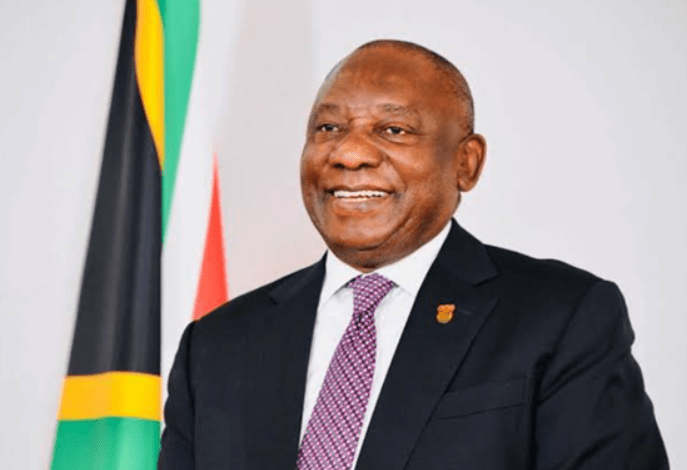
Every government must decide how to divide its attention between events beyond its borders and challenges within them. In South Africa, under President Cyril Ramaphosa, that balance is attracting growing scrutiny.
While the South African government continues to command international attention through its diplomatic engagements, public opinion surveys paint a different picture of what occupies the minds of ordinary citizens.
When South Africans participate in surveys or head to the polls, their priorities are remarkably consistent: jobs, crime, corruption, electricity, healthcare, service delivery and the cost of living. These issues shape daily life and determine whether households feel any sense of economic stability or future opportunity.
The gap between these domestic priorities and the visibility of foreign policy raises a central question: are South Africa’s international ambitions aligned with what citizens expect from their government?
Foreign policy rarely appears among the issues citizens identify as most urgent.
Yet over the past several years, South Africa has attracted considerable international attention through its diplomatic engagements and positions on global affairs. While these initiatives have elevated the country’s profile abroad, they have also prompted an increasingly important domestic question: do the government’s international priorities reflect the everyday concerns of the citizens it represents?
The question is not whether South Africa should engage with the world. As Africa’s most diversified economy and a regional leader, it has every reason to maintain an active diplomatic presence. International relationships influence trade, tourism, investment and regional stability. Every sovereign state must cultivate relationships that advance its national interests.
The issue is one of balance.
At a time when many South Africans are struggling with persistent unemployment, deteriorating municipal infrastructure and public services under severe strain, many citizens are asking whether government attention is sufficiently focused on the crises unfolding at home.
That perception matters because democracy depends not only on policy outcomes but also on public confidence that elected leaders understand the priorities of those they govern.
Table of Contents
What South Africans Say Matters Most
If public policy is ultimately about responding to citizens’ priorities, South Africa’s policymakers have a clear roadmap.
A 2024 Afrobarometer survey found that 71% of South Africans identified unemployment as one of the three most important issues government should address—by far the country’s leading concern. Electricity and load shedding followed at 26%, while corruption (21%), the rising cost of living (21%), poverty (21%), economic management (20%), crime and security (17%), and water supply (16%) rounded out the list of national priorities. Notably absent from the survey’s leading concerns were foreign affairs or South Africa’s diplomatic engagements abroad.
These findings reflect a broader and consistent pattern in South African public opinion over time: citizens prioritise economic survival, personal safety and functioning public services above international affairs.
The same survey also reflects deep public dissatisfaction with national direction, with around 62% of respondents expressing dissatisfaction with how democracy is working, and 85% believing the country is heading in the wrong direction.
For the Ramaphosa administration, these figures present a clear domestic mandate centred on economic recovery, job creation and service delivery.
For millions of South Africans, these are not abstract policy debates. They are reflected in long job searches, unreliable municipal services, overburdened healthcare facilities, deteriorating infrastructure and persistent concerns about crime. Against this backdrop, it is understandable that many citizens struggle to see how high-profile diplomatic engagements translate into tangible improvements in their own communities.
The Growing Perception Gap
Foreign policy is rarely measured by South Africans using diplomatic terminology.
Instead, citizens tend to ask practical questions.
Will this create jobs?
Will it improve service delivery and public services?
Will it attract investment?
Does it encourage tourism?
Will it make South Africa safer or more prosperous?
If the answers are unclear, South Africa’s international engagement can appear disconnected from the domestic priorities that dominate everyday life, regardless of its long-term strategic value.
For the Ramaphosa administration, this disconnect presents a communications and governance challenge that extends beyond foreign policy messaging.
This perception gap is increasingly visible in public discourse. While diplomatic developments often dominate political headlines, many South Africans remain focused on unreliable electricity, failing municipal services, deteriorating infrastructure, under-resourced healthcare facilities and rising levels of crime.
The result is a widening gap between political visibility abroad and lived reality at home.
Whether fair or not, many voters increasingly judge leadership not by international standing, but by measurable improvements in jobs, economic growth, service delivery and quality of life.
Why Foreign Policy Still Matters at Home
Under President Ramaphosa, South Africa’s diplomatic profile has expanded, but questions remain about how clearly these international efforts translate into domestic economic gains.
None of this diminishes the importance of foreign policy.
Every diplomatic relationship carries economic consequences.
South Africa’s trade agreements support exporters, manufacturers and agricultural producers. International cooperation can encourage foreign direct investment, create opportunities for South African businesses and expand markets for locally produced goods. Bilateral agreements influence aviation routes, visa arrangements, educational partnerships and scientific collaboration.
Perhaps nowhere is this more visible than in tourism.
The sector supports hundreds of thousands of jobs across hospitality, transport, restaurants, conservation and small business activity. Every international visitor contributes directly to local economies and employment.
International perceptions therefore matter.
Tourists assess safety, infrastructure and stability when choosing destinations. Investors evaluate long-term risk, governance and international credibility. While no single diplomatic decision determines these outcomes, the cumulative effect of foreign policy on perception can influence economic confidence.
Foreign policy, therefore, is not separate from domestic prosperity, but must be clearly linked to it.
Relationships Abroad and Questions at Home
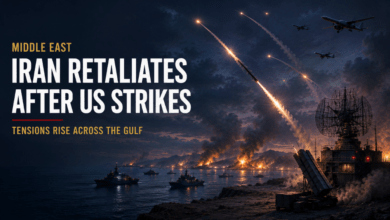
South Africa’s diplomatic relationships with countries such as Russia and Iran have become part of a broader national conversation about the country’s foreign policy priorities and international reputation.
Governments routinely maintain diplomatic relations with countries whose policies differ significantly from their own. That is a normal feature of international relations. However, South Africa’s continued engagement with Russia following its invasion of Ukraine, together with its diplomatic relationship with Iran, has attracted growing scrutiny both domestically and internationally.
Iran’s widely reported support for Hamas, designated as a terrorist organisation by many international countries, has further intensified public debate about how these relationships shape South Africa’s international reputation, particularly among key trading and investment partners.
How do these relationships improve life for ordinary South Africans?
That question increasingly defines public debate on foreign policy.
Citizens are not only asking who South Africa engages with abroad, but how those relationships translate into economic growth, investment, employment opportunities, stronger municipalities and improved public services.
Without a clear connection to measurable domestic benefits, foreign policy risks appearing detached from the realities confronting millions of South Africans every day.
Leadership Begins at Home
South Africa possesses significant structural strengths.
It has a sophisticated financial sector, independent courts, globally respected universities, a diversified private sector and world-class natural tourism assets.
These strengths provide a foundation for both domestic development and international influence.
Yet credibility abroad is ultimately inseparable from conditions at home.
Reliable infrastructure, capable municipalities, effective policing, quality education and accessible healthcare strengthen not only the lives of citizens but also South Africa’s standing as a destination for investment and tourism.
International credibility is reinforced when domestic governance inspires confidence.
No diplomatic achievement can fully compensate for declining public trust in local institutions.
What is the Measure of Success?
South Africa’s role in global affairs will always matter. Diplomatic relationships and international engagement remain essential components of modern governance.
But foreign policy cannot become detached from the citizens in whose name it is conducted.
When citizens repeatedly identify unemployment, crime, corruption, healthcare and service delivery as their overriding concerns, those priorities deserve to occupy the centre of national policymaking.
Ultimately, South Africans are unlikely to measure the success of foreign policy by diplomatic visibility or international meetings. They will judge it by whether it contributes to a safer, more prosperous and better-governed country.
If South Africa can demonstrate that its international engagements translate into investment, stronger economic growth, increased tourism and tangible improvements in the improvements in daily life, the perception gap will narrow.
For President Ramaphosa, the challenge is not choosing between international engagement and domestic recovery but ensuring that the latter is not overshadowed in public perception by the former.
Until then, public opinion is likely to remain clear: South Africans are not asking for a smaller role in the world, but for greater urgency at home.