Denise Powell Wins Omaha Primary – The Fight to Save Nebraska’s “Blue Dot”

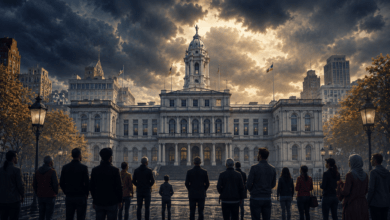
In a primary race defined by community deep roots and high-stakes tactical maneuvering, Denise Powell, a dedicated political organizer, has secured the Democratic nomination for Nebraska’s 2nd Congressional District. The Associated Press called the race late Tuesday, confirming Powell as the winner of a hard-fought contest in Omaha—a city that has become a symbolic and literal “blue dot” in the heart of the Great Plains.
The victory sets the stage for a critical November showdown that could ultimately decide which party holds the gavel in the U.S. House of Representatives.
Table of Contents
A New Chapter for Omaha’s Open Seat
The road to the general election is now clear: Denise Powell will face off against Republican Brinker Harding, a familiar face in local government as an Omaha City Councilman.
The stakes of this matchup are heightened by the absence of an incumbent. Representative Don Bacon, a Republican known for his moderate stance and willingness to buck party trends, announced he would not seek re-election. His departure leaves a vacuum in a district that is famous for its independent streak, turning a once-predictable seat into one of the most watched battlegrounds in the country.
The “Blue Dot” Dilemma – A Fight for Electoral Voice
While many primaries focus on healthcare or the economy, this race took a unique turn into the mechanics of American democracy. The contest between Powell and her chief rival, State Senator John Cavanaugh, centered on a fascinating and somewhat unusual strategic concern: the protection of Nebraska’s split electoral vote system.
Understanding the Nebraska Difference
Unlike the winner-take-all approach used by most of the country, Nebraska allows its congressional districts to award electoral votes individually. In recent years, the Omaha-based 2nd District has consistently trended blue, providing a lone Democratic electoral vote in a sea of Republican red.
A Choice of Position and Protection
The debate that likely pushed Powell to the finish line was rooted in local preservation. Supporters argued that if Cavanaugh—a staunch defender of the “blue dot” system in the State Legislature—vacated his seat to go to Washington, it might leave the statehouse without enough votes to block Republican efforts to repeal the split-system.
- The Risk: Voters were asked to consider if winning a House seat was worth potentially losing a crucial path to the presidency in 2028.
- The Result: This “chess-move” logic resonated. Despite Cavanaugh’s assurances that the system was safe, the desire to protect Omaha’s unique national influence gave Powell the edge.
The Human Element in a National Fight
Beyond the spreadsheets and electoral maps, Powell’s win reflects a growing trend of “organizer-led” campaigns—movements built on door-knocking and personal connections rather than just television advertisements. However, the race was not without outside noise; a super PAC with ties to the Republican party spent significantly to influence the Democratic outcome, a sign of how much both parties fear losing ground in this district.
As we look toward the fall, the conversation will shift from internal strategy to a broader vision for the district. For Powell, the challenge will be scaling her grassroots energy to meet Harding’s established local profile. For the rest of the country, all eyes remain on Omaha, where a single district continues to punch far above its weight in the fight for the future of Congress.
Also Read: Amid War – Trump Prioritizes Iran Security Over Economic Impact